Source Custom Digital Printing Socks for Sport, Daily, and Festival Use
Find 25 options for custom digital printing socks designed for sport, daily wear, and festival applications. Compare features like breathability, anti-bacterial properties, and high elasticity across various styles including crew, ankle, and printed designs from suppliers in China; compare the available evidence and request quotations based on your requirements.
Key considerations
Products List


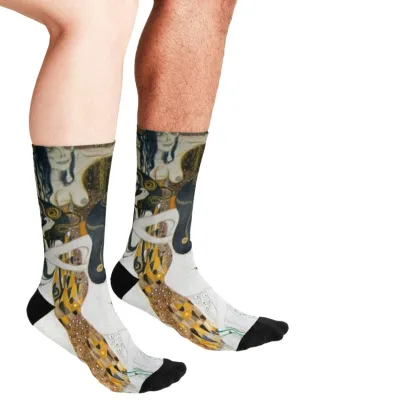


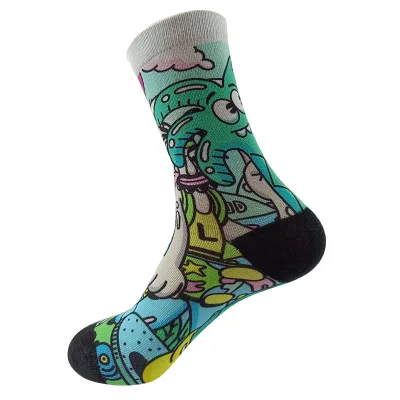

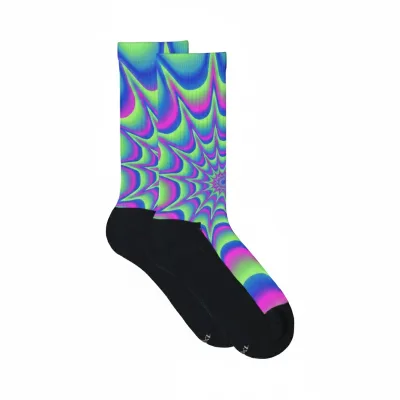
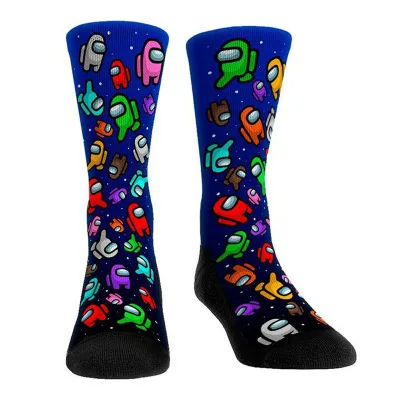
Comprehensive Sourcing Guide
Custom Digital Printing Socks Sourcing Guide
Procuring custom digital printing socks requires balancing aesthetic flexibility with functional durability, as the technology allows for intricate designs without the high setup costs of traditional screen printing. Buyers must evaluate how digital processes handle specific fabric blends, since materials like cotton and polyester-spandex mixes react differently to ink absorption and color vibrancy. The observed market data indicates a strong focus on eco-friendly and breathable features, suggesting that sustainable inks and moisture-wicking properties are now standard expectations rather than premium add-ons.
Strategic sourcing begins with defining the target demographic, as the available inventory spans from adult sporty styles to children's thermal socks. The product range includes various heights, from ankle to crew, and styles ranging from printed designs to plain options with custom logos. Buyers should verify that the supplier's digital capabilities can accommodate the specific elasticity and thickness requirements of their intended application, whether for daily wear, athletic performance, or festival events, ensuring the final product meets both visual and functional standards.
Product Scope and Observed Listing Signals
The current market landscape for custom digital printing socks reveals a diverse array of seasonal offerings, with distinct variations in thickness and material composition. Listings frequently highlight high elasticity and breathable fabrics, catering to active lifestyles, while other segments focus on thermal properties for winter use. The observed product models demonstrate that suppliers offer both standard and custom packaging solutions, allowing buyers to align the unboxing experience with their brand identity without compromising on the core sock functionality.
Buyers should note that customization extends beyond simple color changes to include complex design elements and specific labeling requirements. The availability of OEM services and custom design options suggests that suppliers are equipped to handle unique branding needs, such as specific logos or pattern placements. However, the variation in observed features, such as anti-bacterial treatments and anti-slip properties, indicates that not every listing will satisfy all performance criteria, necessitating a careful review of individual product specifications before placing an order.
Technical Specifications to Verify
Technical verification must begin with material composition, as the interplay between cotton, polyester, and spandex determines the sock's longevity and comfort. Buyers should confirm the exact percentage of spandex to ensure the high elasticity observed in listings translates to a proper fit that retains its shape after repeated washing. Additionally, the thickness specification, ranging from normal to thickening, directly impacts the sock's suitability for different seasons and activities, requiring precise alignment with the intended use case to avoid performance failures.
Dimensional consistency is another critical area, particularly regarding size availability and height profiles. While some listings offer free sizing, others specify distinct categories like ankle, crew, or middle height, which must match the buyer's size chart requirements. The presence of specific model numbers and standard sizes suggests a baseline of quality control, yet buyers must verify that the digital printing process does not distort the fabric weave or alter the intended dimensions, ensuring the final product remains true to the design specifications.
Compliance and Safety Documentation
Safety and compliance documentation are paramount when sourcing socks intended for direct skin contact, especially for children or sensitive skin applications. The observed standards, including CE, RoHS, SGS, and GMP, indicate that reputable suppliers adhere to rigorous safety protocols regarding chemical usage and material safety. Buyers must request current test reports to verify that the inks and dyes used in the digital printing process meet these specific regulatory requirements, ensuring the final product is free from harmful substances that could cause allergic reactions or skin irritation.
Beyond chemical safety, buyers should verify that the production facilities maintain hygiene standards consistent with the claimed eco-friendly and anti-bacterial features. The presence of GMP certification suggests a controlled manufacturing environment, which is crucial for maintaining the integrity of the anti-bacterial treatments applied to the fabric. It is essential to confirm that these certifications are valid and applicable to the specific batch of socks being ordered, as compliance status can vary between different production lines or product models within the same supplier's catalog.
Cost Drivers and Commercial Terms
Cost structures for custom digital printing socks are influenced by several variables, including material selection, order volume, and the complexity of the design. The observed price range of 0.2 to 2.99 USD suggests that significant cost savings are possible through bulk purchasing, yet the minimum order quantity (MOQ) can vary widely from 2 to 2000 units depending on the supplier's capacity and the customization level required. Buyers must analyze the trade-off between unit price and order volume to determine the most economical strategy for their specific inventory needs.
Commercial terms also encompass lead times and packaging options, which can impact the overall procurement timeline and logistics costs. Sample lead times of 3-7 days allow for rapid prototyping, but full production lead times may extend based on the complexity of the custom design and the supplier's current workload. Additionally, the choice between standard cartons and custom packaging can affect shipping costs and the final retail presentation, requiring buyers to factor these elements into their total landed cost calculations before finalizing the purchase agreement.
Supplier Qualification and Quality Control
Supplier qualification should focus on verifying their capacity for consistent quality control across different product models and design variations. The availability of OEM services and custom design options indicates a flexible manufacturing base, but buyers must assess the supplier's track record for maintaining color accuracy and print durability over time. Requesting samples of previous work, particularly those with similar features like anti-slip or thermal properties, helps validate the supplier's ability to deliver on specific performance claims before committing to a large order.
Quality control processes must be clearly defined to ensure that the final product meets the buyer's expectations for elasticity, breathability, and overall finish. Buyers should inquire about the supplier's inspection protocols, including how they handle defects in printing or stitching, and whether they offer pre-shipment inspections. The presence of multiple certifications and a history of serving diverse applications, from daily wear to sports, suggests a robust quality framework, yet direct verification of their internal QC procedures is essential to mitigate the risk of receiving substandard goods.
Long-Term Procurement Checks
Establishing a long-term partnership requires regular performance reviews to ensure that the supplier continues to meet evolving quality and compliance standards. Buyers should implement a system for tracking defect rates and customer feedback on the custom printed socks, using this data to negotiate improvements or adjust specifications for future orders. Consistent communication regarding material availability and production capacity is also vital, as supply chain disruptions can impact the ability to deliver eco-friendly or specialized socks on time.
Finally, buyers must monitor the supplier's ability to innovate and adapt to new market trends, such as emerging sustainable materials or advanced digital printing techniques. The dynamic nature of the sock market, with its shifting seasonal demands and feature preferences, requires a supplier who can quickly pivot to meet new requirements without compromising quality. Regular audits and collaborative planning sessions can help ensure that the procurement relationship remains resilient and capable of supporting the buyer's long-term growth and brand development goals.
FAQs
Can I get custom labels and logos on these socks?
Yes, labels and logos can be customized for your brand. The factory offers custom design services and accepts specific branding requests. This allows you to create unique products that match your identity while maintaining high quality standards for daily or sport use.
What is the sample lead time for custom orders?
The sample lead time is typically three to seven days. This quick turnaround helps you evaluate the product quality before placing a larger order. You can request samples to verify the material, thickness, and printing details before committing to bulk production.
Which certifications do the socks meet for safety?
The products meet CE, RoHS, SGS, and GMP standards. These certifications ensure the materials are safe for skin contact and environmentally friendly. You can rely on these verified standards when sourcing socks for international markets that require strict compliance with safety regulations.
What materials are used for the custom socks?
Materials include cotton, polyester, and cotton blended with spandex. These fabrics provide breathability, elasticity, and comfort for various seasons. The selection ensures the socks remain durable and suitable for both daily wear and active sports activities without losing shape.
How does the MOQ vary for different styles?
The minimum order quantity ranges from two to two thousand units depending on the style. This flexibility allows small businesses to start with lower volumes while larger buyers can secure bulk pricing. You can negotiate specific quantities based on your inventory needs and budget.
Are the socks available in different sizes and heights?
Yes, sizes range from free size to specific options like S, with heights including ankle, crew, and middle. The variety ensures a proper fit for adults and children. You can select the exact style and height required for your target demographic without compromising on comfort.
Can I request custom packaging for my brand?
Custom packaging is available alongside standard carton options. This service allows you to present your products professionally to end customers. You can choose between standard or custom packages to align with your branding strategy and logistical requirements for shipping and storage.